What the GPL means for WordPress plugins and themes
What the GPL lets you do with a paid WordPress plugin or theme, what it leaves out, and how to read a licence before you share or install one.
By WP Free Plugins,
WordPress is released under the GNU General Public License, version 2 or later. Many plugins and themes use the same licence or a compatible one. That has practical consequences, and it is often misunderstood in both directions.
This article is general information. For a decision with legal weight, ask a lawyer.
The four freedoms
The GPL gives anyone who holds a copy of the software the freedom to:
- Run it for any purpose.
- Study and change it.
- Share copies.
- Share changed versions.
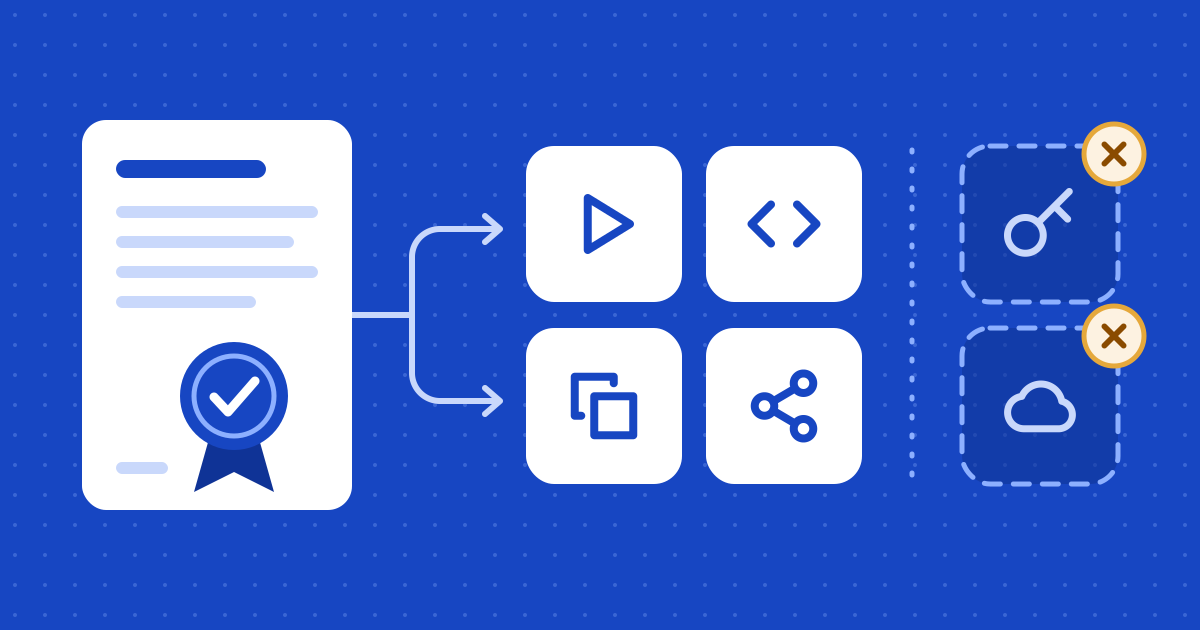
If you share a copy, you must pass on the same freedoms, keep the copyright and licence notices, and make the source available. Nothing in the GPL requires software to be free of charge, so a developer may sell it. Nothing lets the seller stop a buyer from redistributing it under the licence either.
What you pay for when you buy a GPL plugin
A purchase usually includes things the licence does not cover:
- Automatic updates through the developer’s server.
- Support from the people who wrote the code.
- Hosted features such as template libraries, rule feeds or image processing.
- A licence key that connects your site to those services.
A redistributed copy includes the code only. For a site that earns money, support and fast security updates are often worth more than the price.
Not every premium plugin is fully GPL
The WordPress project’s position is that plugins and themes are derivative works of WordPress and inherit its licence for their PHP code. Products do not always apply one licence to everything in the ZIP. Common cases are:
- Split licences. The PHP is GPL, while CSS, images or JavaScript are under a proprietary licence.
- Bundled assets. Fonts, icons, photos and libraries each carry their own terms.
- Separate services. Code that connects to an API may be GPL while the API itself is not open.
A statement that “all WordPress plugins are GPL” therefore does not settle whether a particular file can be shared.
Trademarks are separate
The GPL grants rights in code. It does not grant rights in a name or a logo. Using a product’s name to say what the product is differs from presenting yourself as its maker. If you distribute a changed version, make that clear.
How to read a plugin’s licence
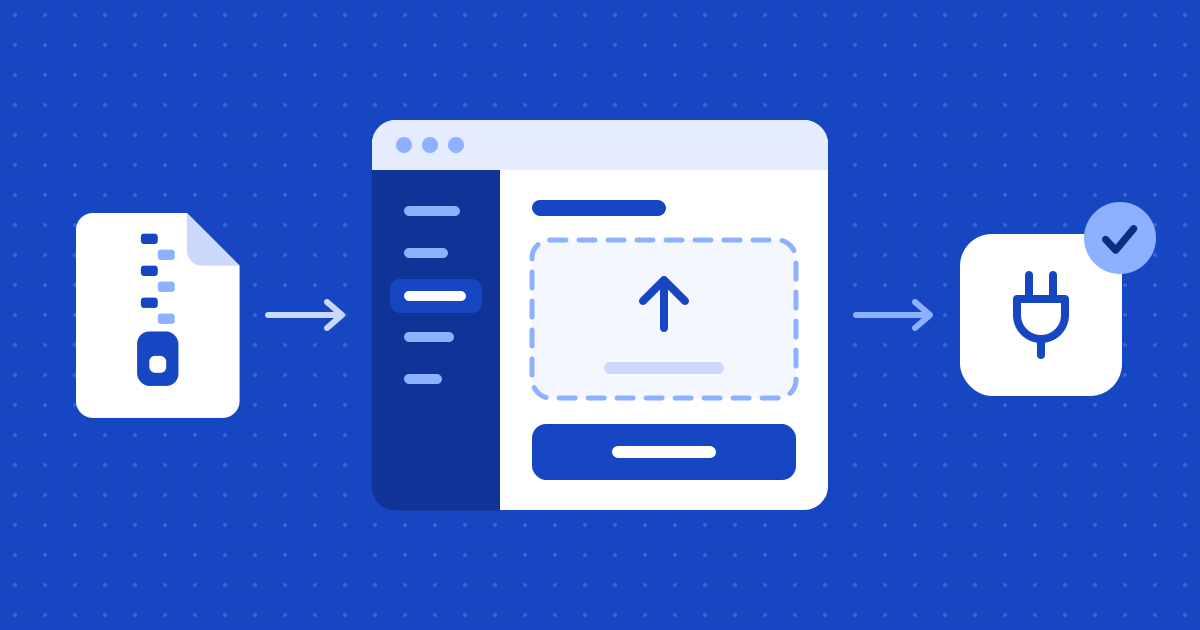
- Open the ZIP and look for
license.txt,LICENSEorreadme.txt. - Read the header of the main plugin file. Look for
License:andLicense URI:. - For a theme, read the header of
style.css. - Look inside folders named
vendor,lib,assetsorfontsfor other licence files. - Read the licence terms on the developer’s website, and note any that apply to only part of the product.
If those sources disagree, do not guess. Ask the developer.
Three words people mix up
| Term | What it means |
|---|---|
| Free | Costs nothing. Says nothing about your rights. |
| GPL | You may use, study, change and share the code. It may cost money. |
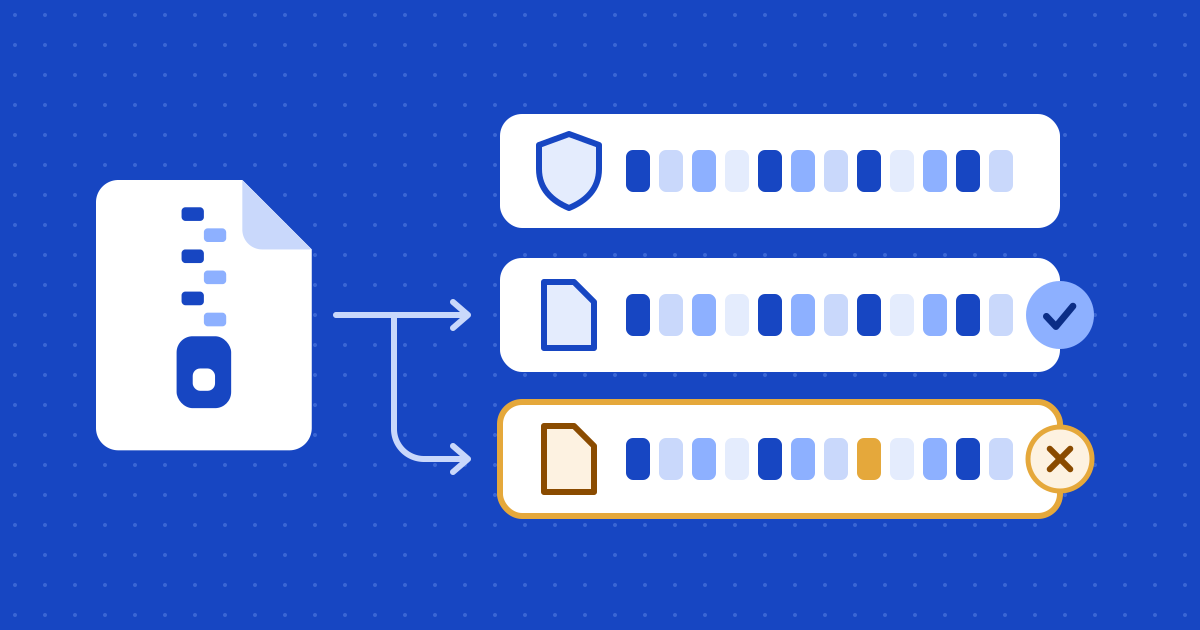
| Nulled | Altered to bypass a licence check. Often carries malware. |
Bypassing a check is not what makes software GPL, and an altered file from an unknown source is a security risk whatever its licence. If a file was changed, you should be told what changed and why.
In short
The GPL is a strong permission to use and share code. It is not a blanket permission for everything sold near WordPress, and it comes without support or guarantees. Check the specific file, keep its notices and support developers whose work you depend on.